

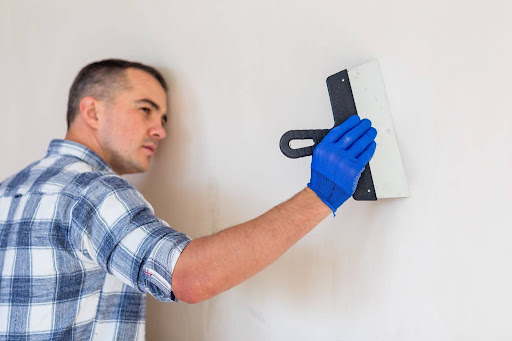
How to Match Drywall Texture After Repairs: A Step-by-Step Guide by RS Dynamic Builders
There’s a moment every homeowner dreads: you’ve just had a small mishap—a doorknob through the wall, a leak from an old pipe, or perhaps some necessary electrical work—and now you’re staring at an unsightly patch surrounded by the beautiful, textured surface of your existing walls. The repair itself is solid, but the finish is smooth and out of place. Matching that existing texture is the final, critical step to making the damage disappear. It is a task that requires a keen eye, a steady hand, and a deep understanding of materials. While a DIY approach can be tempting, achieving a truly invisible repair often requires the expertise of seasoned professionals. This is where RS Dynamic Dry Wall repair service San Francisco excels, bringing years of local experience to ensure your walls look flawless. However, if you’re set on understanding the process or tackling a small area yourself, this step-by-step guide will walk you through the fundamentals of blending your repair seamlessly back into your wall.
Why Professional Expertise Matters for Drywall Texture Matching
Before we dive into the DIY steps, it’s important to understand why texture matching is considered one of the most challenging aspects of drywall repair. The wrong consistency of mud, an incorrect spraying technique, or a mismatched pattern can make the repair more obvious than the original hole. Professional drywall contractors spend years mastering the “consistent chaos” of texture application . They understand that factors like air pressure, material viscosity, and even the angle of application all play a role in the final look. For many homeowners, hiring a pro from the outset saves time, money, and the frustration of a patch job that never quite looks right. In a city with as diverse architecture as San Francisco, from modern condos to century-old Victorians, the ability to match textures from different eras is a specialized skill.
Step 1: Identify Your Existing Wall Texture
You cannot match what you do not understand. Before mixing any mud, take a close look at your wall. Is the texture heavy or light? Is it a random pattern or more uniform? The most common types you’ll encounter include:
– Orange Peel: Resembles the skin of an orange—fine, light, and bumpy. This is often created by spraying a thin mixture of joint compound.
– Knockdown: This texture has a mottled, flattened look. It’s created by spraying stipples of mud and then “knocking them down” with a knife or trowel.
– Skip Trowel: A hand-applied texture that creates an irregular, rustic Mediterranean look.
– Popcorn/Acoustic: A heavy, bumpy texture usually found on ceilings.
– Slap Brush / Stomp Brush: Created by pressing and stomping a textured brush into wet mud.
– Lace: A more ornate pattern often created with a roller or sponge .
Identifying your texture type is the first step to selecting the right tool and technique. If you are unsure, take a photo to a local hardware store or consult with **drywall contractors** who can identify it instantly.
Step 2: Gather Your Tools and Materials
Having the right tools on hand is essential. For small patches, you won’t need a commercial sprayer. Here’s what you’ll likely need:
– All-Purpose Joint Compound: Skip the spackle; joint compound is the professional standard .
– Mixing Tools: A drill with a paddle mixer to ensure a consistent, lump-free mixture.
– Texturing Tools: This depends on your texture. It could be a textured sponge, a stiff brush, a drywall knife, or even a turkey baster for small splatter textures .
– Spray Texture (Optional): For orange peel or popcorn, you can buy aerosol cans of texture. For larger areas, a hopper gun might be necessary.
– Primer and Paint: The texture will look different until it is painted.
– Drop Clothes and Tape: To protect the surrounding area from overspray.
Step 3: Prepare the Repair Area
Your drywall patch should already be taped, mudded, and sanded perfectly smooth. The surface of the patch needs to be flush with the surrounding wall. **However, do not sand right up to the edge of the texture.** You want a slight “valley” or smooth transition zone where the new texture can blend into the old. If the edges are sharp, the new texture will create a shadow line that reveals the repair.
Step 4: Mix the Joint Compound to the Right Consistency
This step is crucial. The consistency of your mud dictates the texture pattern. For an orange peel or splatter texture, you need to thin the joint compound with water until it resembles pancake batter or thick paint . For a stomp or knockdown texture applied with a brush, you want it thicker, closer to the consistency of sour cream or frosting . If you are using multiple batches of mud, mix them all at once to ensure color and consistency are identical throughout the job .
Step 5: Practice on a Piece of Scrap Drywall
Never start on your wall. Texture application is an art. Grab a scrap piece of drywall or cardboard and practice your technique until you can replicate the existing pattern. This is where you determine if you need more water in your mix, more pressure on your sponge, or a different flick of the wrist .
Step 6: Apply the Texture
Now, it’s time to apply the texture to the patched area.
– For Spray Textures (Orange Peel/Popcorn): Hold the can or hopper gun at the distance recommended for your pattern. Start spraying slightly off the patch and move across it, feathering the texture out into the surrounding wall to blend the edges. Use light, even coats. It is easier to add more than to remove too much .
– For Hand-Applied Textures (Knockdown/Skip Trowel/Stomp): Load your tool (sponge, brush, trowel) with mud. Apply it to the patch, trying to match the depth and orientation of the existing pattern. For a stomp brush, press the brush into the mud and pull it straight out. For a knockdown, let the sprayed stipples sit for a few minutes to lose their sheen, then gently flatten the tips with a wide knife .
– The Turkey Baster Trick: For small patches in a splatter texture, a turkey baster is a surprisingly effective tool. Fill it with thinned mud and practice flicking it onto your scrap piece until the splatter matches your wall .
Step 7: Let It Dry and Assess
Allow the compound to dry completely. The joint compound shrinks slightly as it dries, so the texture peaks will become a bit smaller and softer. What looked like a perfect match wet might be too subtle when dry. Do not panic. This is normal .
Step 8: Sand Lightly (If Necessary)
If the texture is too high or sharp, you can lightly sand it once it’s fully cured. Use a 220-grit sanding sponge and be very gentle. You are just trying to knock down any extreme peaks that stand out. Sanding too much will remove the texture entirely .
Step 9: Prime and Paint
This is the magic step. Unpainted joint compound looks different from painted walls. Apply a high-quality primer to the entire repaired area. The primer seals the porous mud and provides a uniform base for the paint. Once the primer is dry, apply two coats of paint that matches the rest of the wall. Often, the texture will only truly “disappear” after the paint is applied .
When to Call the Professionals
While this guide provides a roadmap, the path to a perfect finish is filled with potential pitfalls. Large areas, complex textures like “skip trowel,” or repairs in highly visible locations are often best left to professionals. In a competitive market like the Bay Area, where property values are high and expectations are even higher, a DIY mismatch can detract from your home’s value. Professional drywall contractors bring not only the tools but the “tacit knowledge” gained from thousands of hours of work. They know how to manipulate the material to match the subtle nuances of your specific walls.
For residents of the city, RS Dynamic Dry Wall repair service San Francisco stands ready to handle projects of any scale. Whether you are dealing with water damage in a Marina district condo or need to match a vintage knockdown texture in a Haight-Ashbury Victorian, the company’s expertise ensures a seamless result. Their approach begins with a comprehensive assessment, identifying not just the visible damage but any underlying issues that could cause future problems—a proactive method that saves clients from recurring headaches . They understand that in San Francisco’s unique climate, where fog and moisture are constant companions, proper sealing and finishing are not just about looks but about protecting the structural integrity of your home .
Ultimately, matching drywall texture is about patience and precision. Whether you choose the DIY route or decide to enlist the help of experienced drywall contractors, the goal remains the same: a wall so flawless that no one will ever know there was a repair.